
8th International LFS Association Symposium
Co-hosted by The University of Texas MD Anderson Cancer Center in collaboration with the LiFE Consortium
October 1–5, 2026
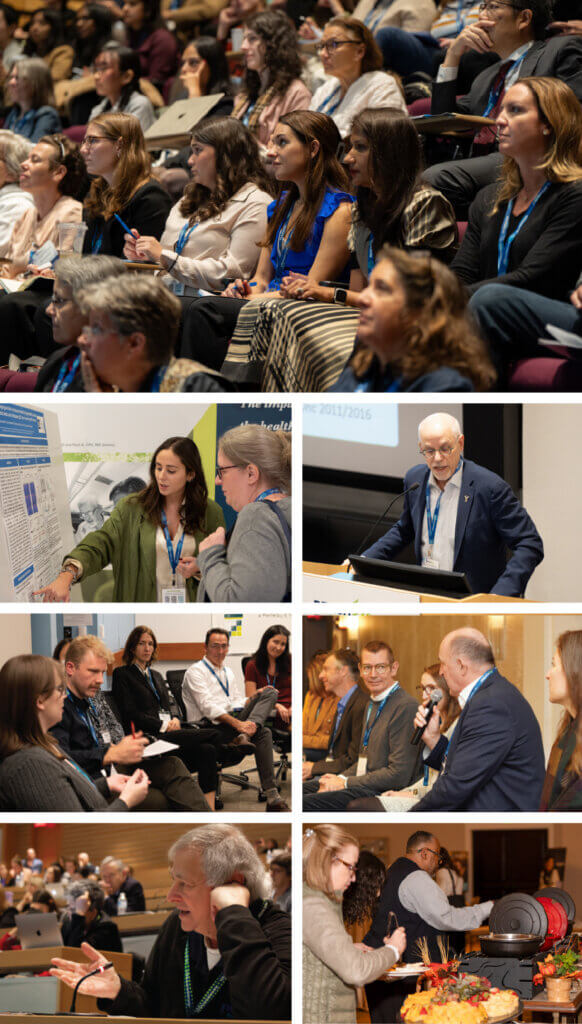
The 8th International Li-Fraumeni Syndrome Association Symposium was a hybrid, in-person and virtual event, hosted at UT MD Anderson Cancer Center.
REACH 26 delivered the most recent advances in LFS cancer research, treatments and patient advocacy conducted through global collaboration to provide the best of care and hope possible to all those with LFS and their families.
Event Highlights Include:
- Discussions on crucial scientific and clinical research topics, including:
- Genetics
- Global perspectives on LFS
- Emerging therapies
- Mental health of individuals living with LFS and their families
- Q&A panels with leading LFS experts
- Engaging poster sessions
- Opportunities for families, physicians, scientists, and genetic counselors to connect with each other
- In-person and virtual engagement
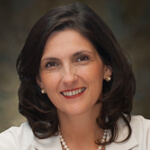 Dr. Banu Arun is a Professor in the Department of Breast Medical Oncology at The University of Texas MD Anderson Cancer Center. Dr. Arun is also Co-Medical Director of the Clinical Cancer Genetics Program. Her research interests include breast cancer treatment, biological markers, chemoprevention, and breast cancer genetics. Her laboratory and clinical research include characterization of risk factors in high-risk women with or without deleterious BRCA mutations and assessing breast cancer biology in patients with breast cancer who have mutations of the BRCA1 or BRCA2 gene. Dr. Arun has served as the Principal Investigator of several phase II breast cancer prevention trials with agents such as celecoxib, atorvastatin and targretin, and also breast cancer trials with PARP inhibitors. Dr. Arun serves as a member for ASCO BOLD Task Force, NCCN breast cancer risk assessment committee member. Dr. Arun serves also as an SWOG Co-Chair for the Prevention Committee.
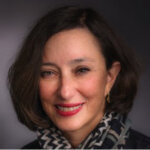
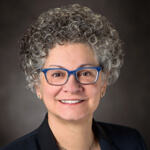 Guillermina (Gigi) Lozano is a renowned geneticist recognized for her studies of the p53 tumor suppressor pathway. This pathway is undermined in a large percent of human cancers via mutations and deletions of p53. Her laboratory identified
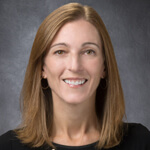 Dr. DiNardo is a clinical researcher with a specialized focus on prognostication and personalized therapeutics for patients with myeloid malignancies. She has completed formal training in epidemiology and biostatistics, with a Master’s of Science in Clinical Epidemiology obtained in June 2012. Her thesis involved an analysis of isocitrate dehydrogenase (IDH) mutations, serum 2-hydroxyglutarate (2HG) levels, and patient outcomes in AML, performed in collaboration with the Eastern Cooperative Oncology Group (ECOG). Dr. DiNardo is the primary investigator of multiple novel IDH1 or IDH2-targeted therapeutic agents currently in clinical trials. Dr DiNardo is also involved in the clinical development of the BCL2-inhibitor venetoclax (ABT-199) for myeloid malignancies. She is leading the study of venetoclax in combination with hypomethylating agent therapy for the treatment of newly diagnosed elderly AML patients. In addition, Dr. DiNardo’s clinical and research focus pertaining to hereditary cancer predisposition syndromes has led to the development of the MD Anderson Hereditary Hematologic Malignancy Clinic, which now provides clinical and research-based evaluation of underlying cancer predispositions and hereditary cancer syndromes in leukemia patients.
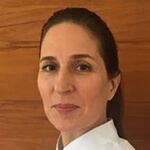 Dr. Maria Isabel Waddington Achatz, MD, M.Sc., PhD., is a medical geneticist coordinator of the Oncogenetics Unit at Hospital Sírio-Libanes in São Paulo and Associate Researcher at Clinical Genetics Branch, Division of Cancer Epidemiology and Genetics, National Cancer Institute, National Institutes of Health, USA. Her research, beginning in 2002, allowed the initial description of Brazilian families with Li-Fraumeni syndrome due to the p.R337H variation. Since then, Dr. Achatz described the Brazilian variant of the syndrome and its differences in relation to the classic LFS. Currently, she continues to focus all her efforts on diagnosing patients at risk and developing screening methods that enable risk reduction and early diagnosis in LFS. Dr. Maria Isabel is currently the coordinator of the Brazilian Network of Hereditary Cancer (REBRACH) and service, and is a co-chair of the LFS Association’s Latin America Chapter.
 Arnold J. Levine, PhD, Professor Emeritus at the Institute for Advanced Study, Princeton, N.J., received his B.A. in Biology from Harpur College, SUNY, his Ph.D. from the University of Pennsylvania, and trained as a Postdoctoral Fellow at the California Institute of Technology.In 1979, he and others discovered the p53 tumor suppressor protein, a molecule that inhibits tumor development. The research paths of the Levine group have provided clear evidence that the p53 pathway plays a central role in the prevention of human cancers and that polymorphic variations in components of the pathway can influence individual responses to environmental mutagens, age of cancer onset, sexual dimorphisms in cancers, response to therapy and survival times, and helped to uncover the genetic origins of cancer and focus drug discovery on a rational path to treat cancers.


ALREADY REGISTERED? WATCH RECORDINGS FROM REACH26
The REACH26 event app puts the agenda, speakers, schedule, event information, and updates right at your fingertips.


Access the REACH26 event platform to update your profile, explore event information, connect with others and join the symposium virtually.
EventMobi.com/REACH26
This significant global gathering was made possible through the generosity of our sponsors as well as individual contributors. As we welcomed guests to a successful conference this year, we invite you to make an even greater impact by donating to the LFS Association. These crucial donations make it possible for our LFS families to attend inspirational event like this, affording them the ability to make meaningful connections, hear first-hand about the latest scientific advancements and treatments, and instill hope as they navigate their LFS journey.
For future corporate or institutional sponsorship opportunities, email sponsor@lfsassociation.org
Event Sponsors
Presenting Sponsor

Gold Sponsors

Bronze Sponsors


Thank You To All Our Sponsors